A place for the intellectually
curious.
An independent school in Cheongna for highly motivated students preparing for the world's most selective universities. Small classes, accelerated curriculum, and the three values we hold close: intellectualism, compassion, and self-reliance.
Curiosity is the discipline.
ICS students embrace intellectualism, compassion, and self-reliance. They read widely, write often, ask difficult questions, and stay with hard problems longer than they think they can.
Classes are small and relationships are key.
We provide a highly autonomous, creative environment in which young minds develop independence and discover joy in their work. Our teachers emphasize critical communication, respect the challenges students face, and encourage excellence. The cultivation of authentic empathy and cultural appreciation is woven into the fabric of our community.
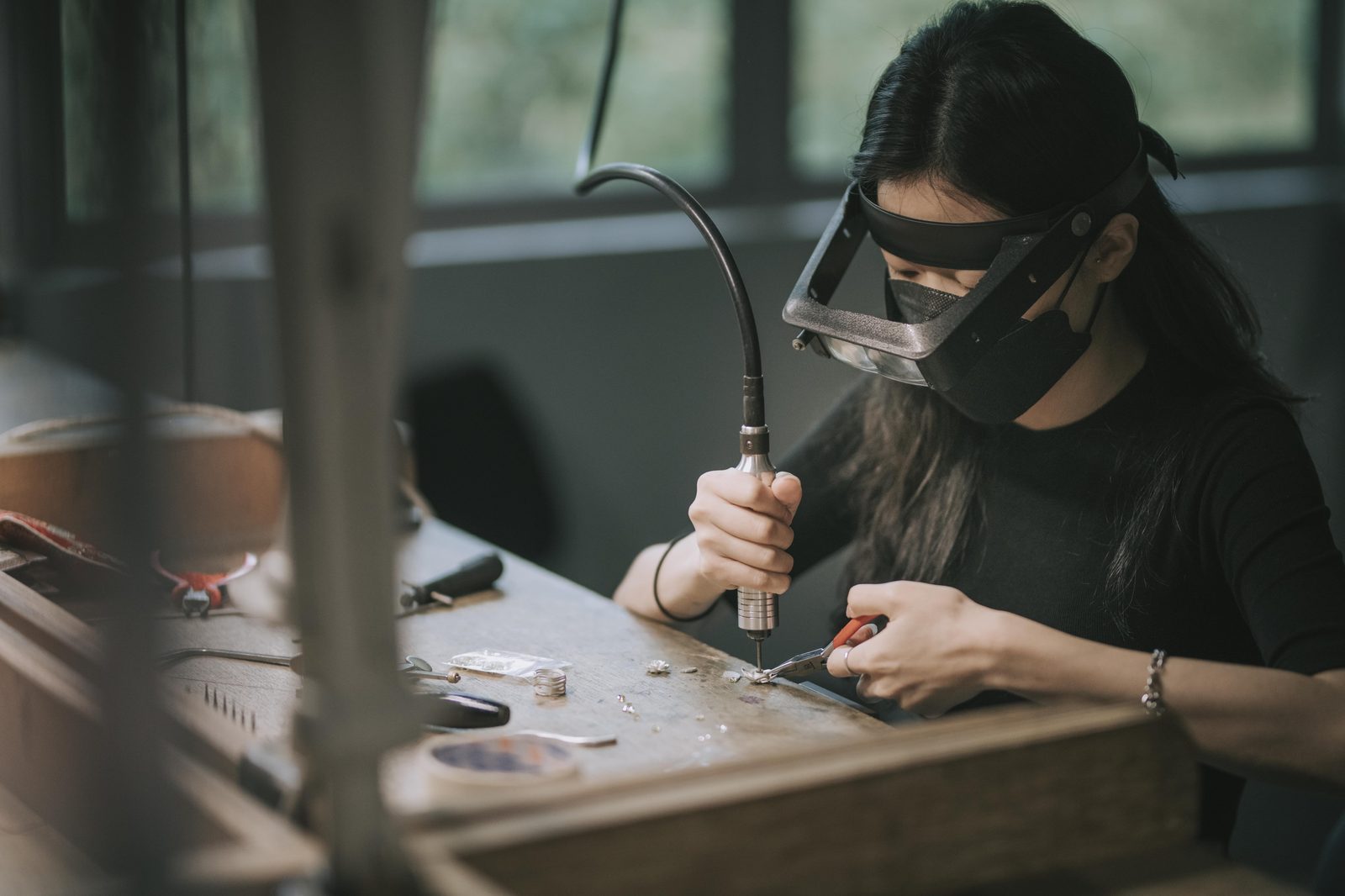
Real mastery is built
through sharing.
Three programs unique to ICS.
Capstone Research
A year-long independent research program. Students design their own inquiry, write a research paper, and defend it before a faculty committee. Top projects are published in Helix, the ICS research journal.
Read more →Peer Seminars
Student-taught seminar courses on unusual topics — Group Theory with Rubik's Cubes, A Food History of Korea. Real mastery is built only by teaching.
Read more →ICS Volunteers Abroad
An annual international service trip — students travel to work alongside partner communities, building real-world empathy and a sense of citizenship beyond their own borders.
Read more →Begin a conversation.
ICS admits a small, carefully chosen group of students each year. We meet with every prospective family individually to understand the student, their goals, and how ICS can help them grow.
The shape of an ICS education.
ICS is one school with three programs of study: Elementary (Kindergarten through Grade 5), Middle School (Grades 6–8), and High School (Grades 9–12). Each program is purpose-built for the developmental stage of its students — not a smaller version of the program above it.
Across all three, departments are organized along familiar lines: English Language Arts, Mathematics, Social Sciences, Science & Technology, Languages, and Arts & Wellness. The high-school program adds a Research & Inquiry track, anchored by our flagship Capstone program.
Our curriculum emphasizes depth over breadth. Students do not take more than they can absorb; they take what they can master. Class sizes are small by design — the average upper-school class has fifteen students, taught by a faculty of thirty-two full-time educators.
offered annually
beyond AP
size · upper school
faculty
The 2025–26 Course Catalog
Courses are listed by division and department. Honors and AP courses are marked. ICS courses are either 3.0 credit (the standard), 1.0 credit (Music and Health & Wellness only), or non-credit (supplemental and co-curricular offerings such as athletics, study hall, college counseling, and test-prep seminars).
High School graduation requirements
Students must complete the following minimum years of coursework to receive an ICS diploma. Most ICS students substantially exceed these floors.
Literature
(or additional CS)
Music or Arts
& Wellness
Capstone Research.
The cornerstone of the ICS upper-school experience. Each year, students design an independent research project, write a substantive paper, and defend it before a faculty panel. The strongest work is published in Helix, the school's research journal.
Students may work individually or in small groups, and they choose their own discipline — they are not limited to subjects tied to an AP or honors course they happen to be taking.
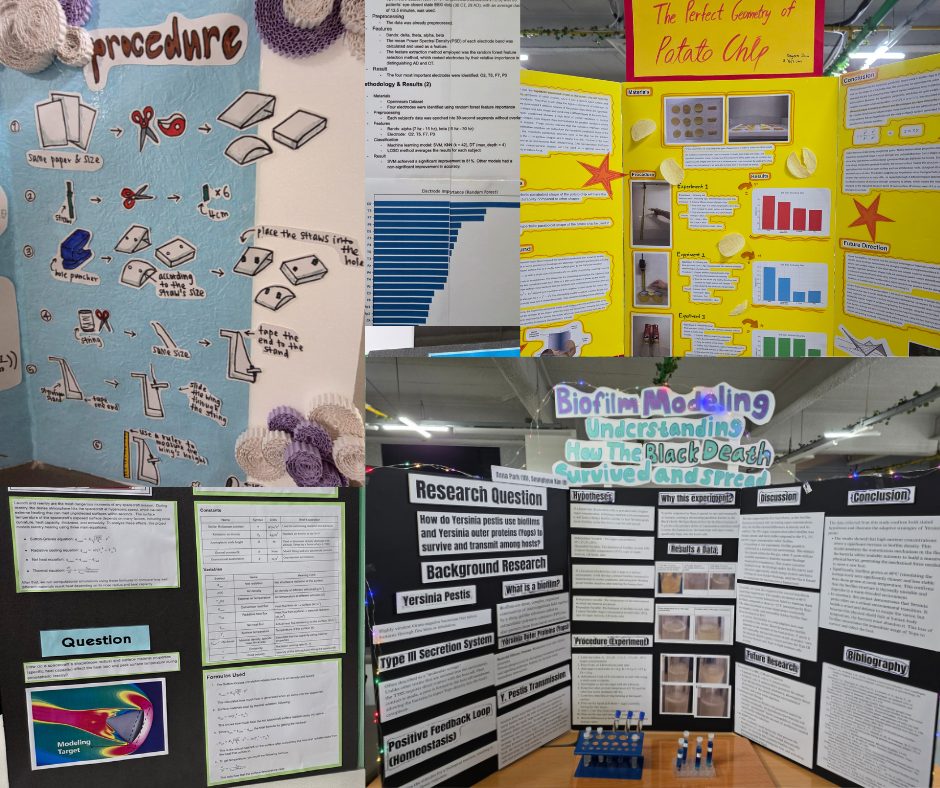
A few recent projects
Recent papers span CAR T-cell therapy, antibiotic resistance in tuberculosis, the psychology of color, AI-generated text detection, senolytics and human life expectancy, and the impact of social media on cognition — fourteen papers in the most recent volume.
Other signature programs
Peer Seminars
Student-led courses on unique topics, taught by upperclass students under faculty mentorship. Recent examples include Group Theory with Rubik's Cubes and A Food History of Korea.
Teaching Assistantships
Selected students are invited to serve as Teaching Assistants, aiding faculty in course delivery and peer review — building real mastery through real responsibility.
ICS Volunteers Abroad
An annual international service trip — students travel to work alongside partner communities, building real-world empathy and a sense of citizenship beyond their own borders.
What we believe about learning.
ICS was founded on a set of convictions about how young people grow, how serious study should feel, and what role a school should play in a broader life. We hold those convictions firmly — and explain them in plain language.
On intellectualism.
Intellectualism — an ethos of continuous inquiry marked by asking questions, seeking answers, refining understanding, and then questioning further — is the central pillar of an ICS education. Historically, this disposition has not always been welcomed by society, and young people often feel pressured to hide their curiosity rather than celebrate it.
"The intellectual is endowed with a faculty for representing, embodying, articulating a message, a view, an attitude, philosophy or opinion to, as well as for, a public." — Edward Said
ICS opposes that pressure. We aim not only to protect the intellectual spirit of our students but also to broadcast the message that education, learning, and intellectualism are vital for the health and vibrancy of democratic societies.
Intellectualism is best cultivated through intensive reading, discussion and debate, writing for reflection, the search for unsolved problems, and the effort to learn without end.
On reading.
It is virtually impossible to envision student success without reading. Intensive reading underpins every aspect of student life — including the college counseling process. Without strong reading skills and a habit of reading for pleasure, students cannot hope to maximize their academic potential. Reading is the surest path to academic growth.
To reduce reading to a tool for academic advancement, however, is shortsighted. For ICS students — and for society at large — reading is a gateway that expands our ways of thinking, perceiving, and feeling. It cultivates deeper empathy and sharper analytical skills, qualities our world urgently needs.
Aristotle's notion of eudaimonia is often translated as flourishing. Reading is one way of finding the path toward it.
We monitor reading habits, talk about books openly, and use the cultivation of reading as a criterion in counseling conversations. It is, for us, infrastructure — not extracurricular. Our school library, browsable here, is the most-trafficked room on campus.
On the epidemic of sub-literacy.
Several forces have made deep reading scarce in this generation. We name them honestly.
-
Smartphone saturationPersistent screen engagement replaces sustained reading, shortens attention spans, and limits the development of literacy.
-
Short-form media biasRapid, bite-sized content limits the practice of deep reading, weakens comprehension, and reduces overall reading stamina.
-
Loss of observed readingYoung people rarely see parents, friends, or other role-models reading books, and so they don't take up reading as a hobby or joyful habit.
Both students and parents can do significant work to change the result. ICS partners with families to do exactly that.
On writing your own manual.
Every educator at ICS aims to make themselves progressively less necessary. We teach students to lead themselves — to author the instructions for their own learning, to recognize when they need help, and to ask for it well.
Counseling begins from this premise: the student is at the center, the family is engaged, the counselor leads. Independence is not absence of support; it is the right kind of support, in the right proportion, over a long horizon.
Thirteen years of becoming.
A roadmap is not a strategy. It is a way of noticing — what each stage of growth asks of a student, and what we, as a school, owe them in return. College counseling is a thread woven through these years, not the through-line itself. The through-line is the student.
Key dates of the year.
The ICS academic year runs from mid-August through early June, with a five-week summer programme in July and August. What follows is the published calendar for middle- and high-school students. Culture Days, Capstone milestones, and exam weeks are surfaced first.
Thanksgiving Party
(5 weeks)
Month by month
Where ICS students go from here.
A complete and unedited record of the universities to which ICS students have been admitted since the Class of 2020. Universities of matriculation — where alumni have actually enrolled — are flagged.
Full Acceptance Roster · Classes of 2020 — 2026
A typical admissions year.
Senior-year milestones in the US/UK/Canada-focused application cycle. Dates approximate; individual student timelines may vary.
The everyday life of an ICS student.
Beyond the curriculum, ICS is held together by clubs, councils, service traditions, and a strong sense of mutual care. We're a small school by design — and our daily life reflects that.
From the alumni.
ICS is where I grew most — intellectually, emotionally, spiritually.
ICS taught me that asking why is more important than knowing what.
The rigor of ICS coursework prepared me, in practice, for the problems I would face at university.
ICS gave me my most unforgettable memories and friends with the warmest hearts.
ICS pushes you to fail in small ways so you don't fail in big ones. I was supported every step.
Challenging coursework, hands-on guidance, and a community that looked after each other.
The workload was heavy but never crushing. Many of my classes were elective — I followed real interests.
One of my first ICS feelings was simple awe at how much one small classroom could contain.
ICS taught me a real life lesson: true rewards come with effort and struggle.
Out of the classroom.
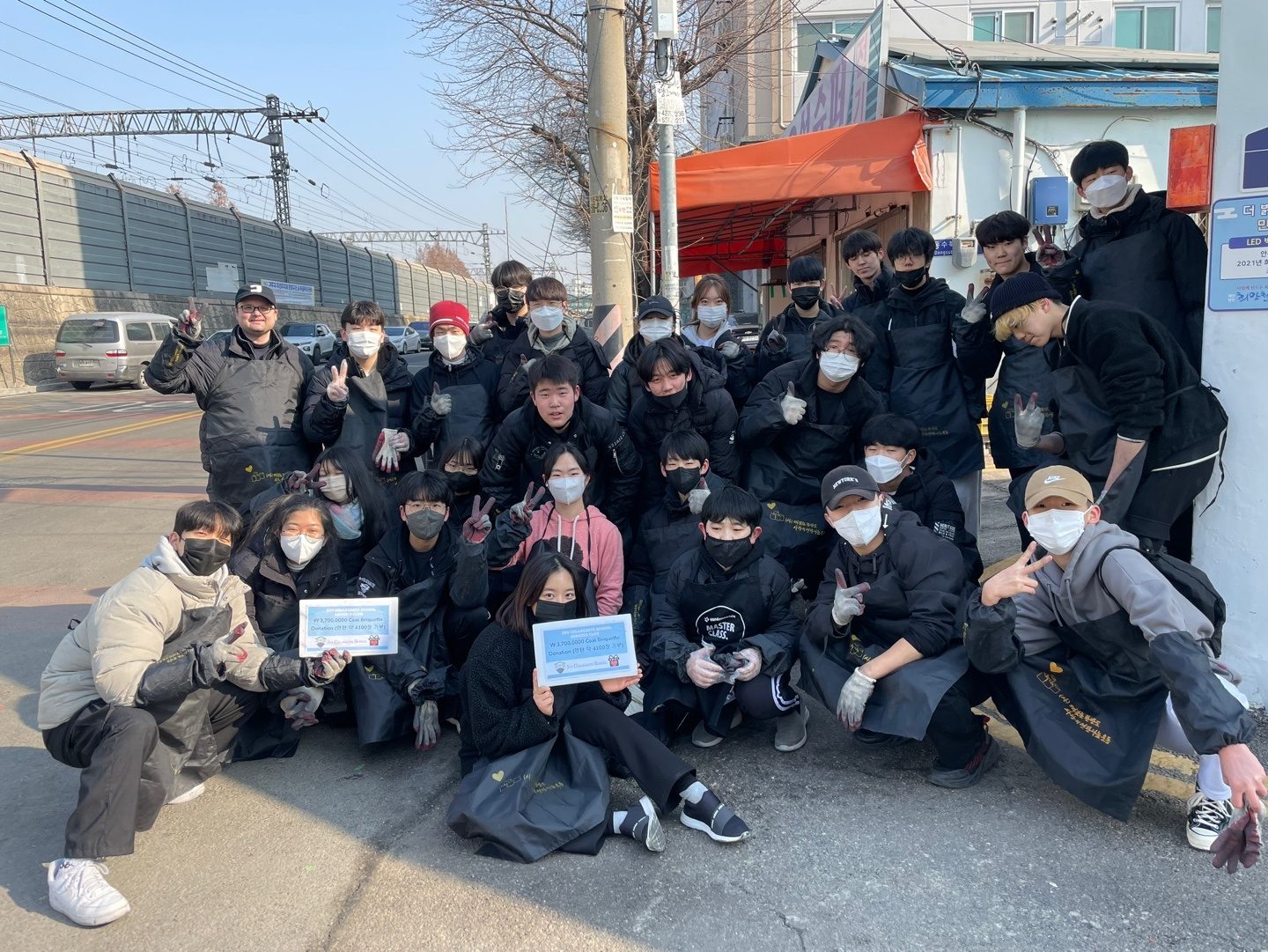
At the end of each month, students and faculty embark on a Culture Day — a shared outing that lives outside the regular schedule. Many trips are deliberately educational; others are reserved purely for fun and friendship. Either way, they're part of the rhythm of the school year.
Written, edited, and run by students.
ICS publishes two student-run periodicals: Point of View, the monthly newspaper, and Helix, the annual Capstone research journal. Both are written, edited, and produced by students.
A monthly newspaper covering world affairs, science, the arts, culture, and student life — written by students across the upper school. Edited by a rotating student team.
For Helix, the Capstone research journal, see the Capstone Research section on the Academics page.
Co-curricular life.
Student-led clubs cover leadership, the sciences, the arts, service, and competition. A weekly Club Hour gives all members protected time. The list rotates with each new generation of student leaders — what follows is a representative cross-section.
Three sports, two divisions.
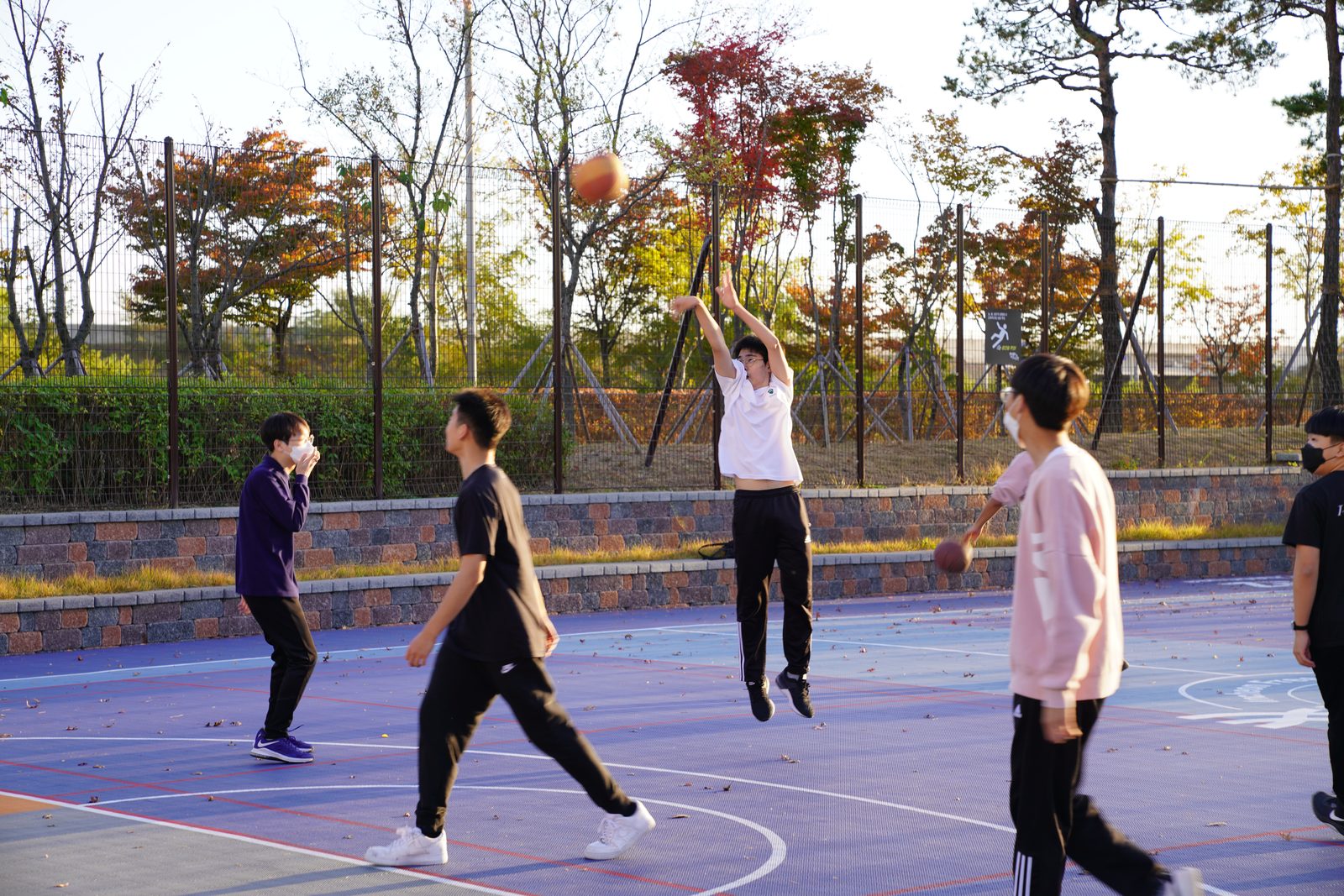
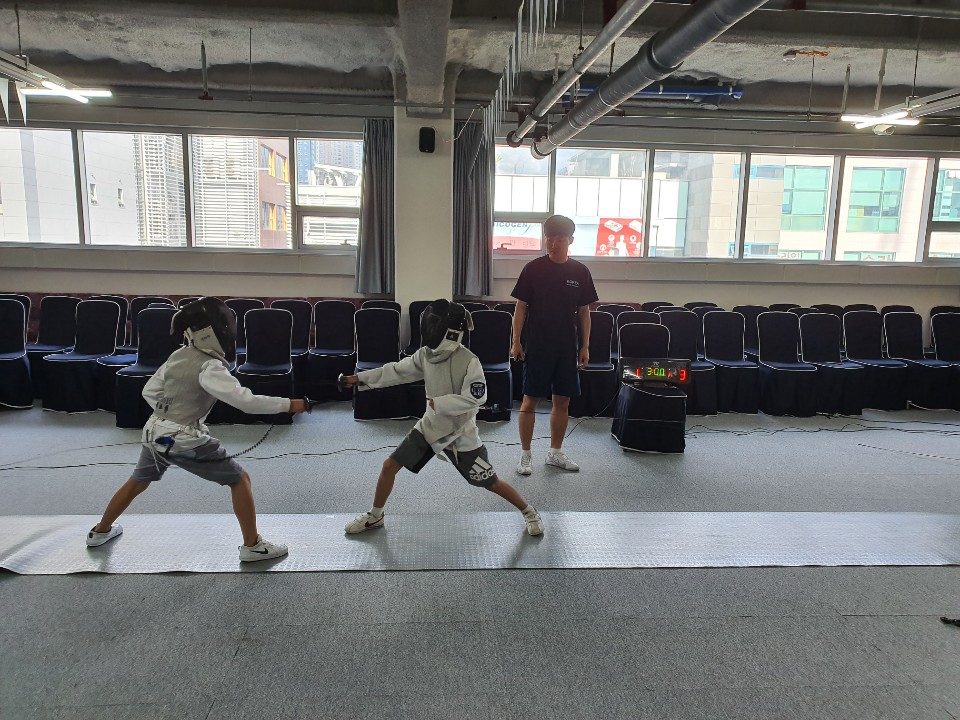
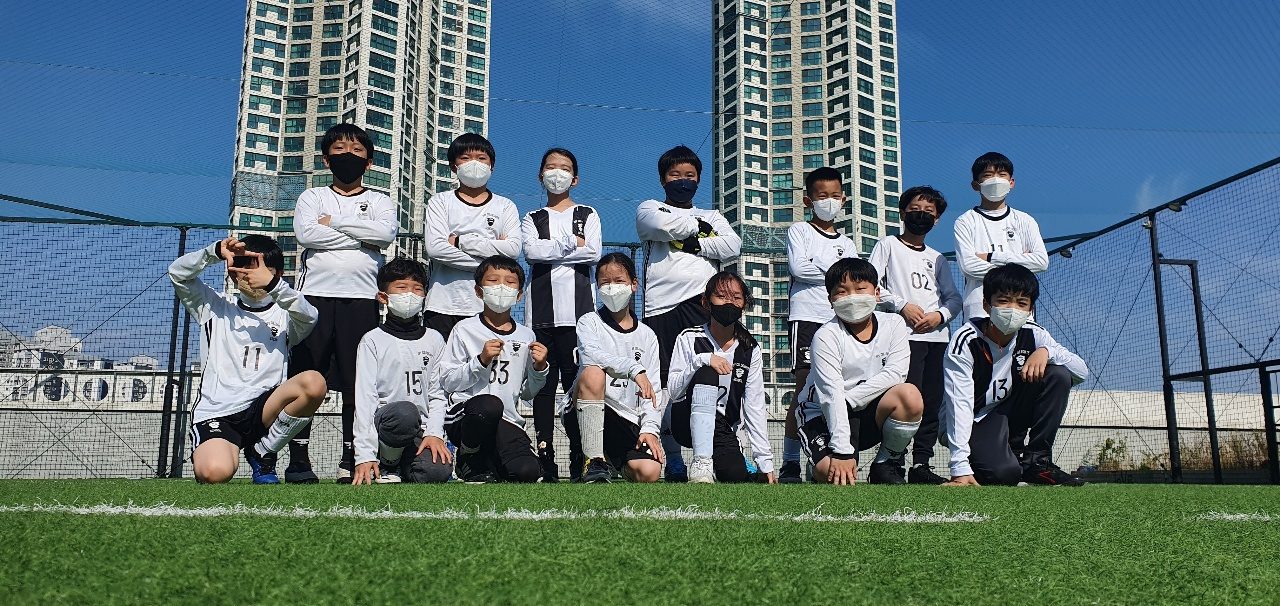
ICS fields competitive teams in basketball, fencing, and soccer. Each sport carries men's and women's programs at both junior varsity and varsity levels — twelve teams in all, supported by trained coaches and a regular practice schedule that respects the academic week.
The graduating class never really leaves.
A small school produces a tight network — and ours keeps in touch.
The ICS Alumni Association is organized and run by graduates themselves. It exists to keep alumni connected to one another and to the school: through dinners, mentorship of current seniors during the application cycle, campus visits when alumni are home from university, and the occasional reunion.
Current students benefit too. The Association regularly fields candid advice from recent graduates on coursework, university transitions, and life abroad.
Hosted by the ICS Alumni Association, the annual dinner brings graduates back to Cheongna for an evening with classmates and the faculty who taught them. Details for the next gathering will be shared with alumni once the date is confirmed.
Policies, code of conduct, and culture.
A condensed reference to the policies that shape daily life at ICS. The full Student Handbook is available to enrolled families through the parent portal. We publish the substantive content here for transparency.
Attendance & academics.
Attendance is taken at the start of every class. ICS treats attendance as an academic act and weights it accordingly.
Attendance
- Attendance counts as a quiz-grade weighted three times
- Five tardies equal one unexcused absence (first period excepted)
- Late or absent students make up missed quizzes and homework
- Excused absences require a signed Reason for Absence form
- A maximum of ten excused or unexcused absences is permitted per semester
- Excessive or consecutive absences may prompt a guardian-teacher meeting and reconsideration of enrollment or grade advancement
Academic integrity
Students are expected to adhere to the standards of academic integrity and submit original work that cites every source used. Cheating and plagiarism result in zero credit on the work and, when warranted, further consequences.
Code of conduct.
Membership in the ICS community is a privilege and a responsibility. Students are expected to model respect to teachers, staff, and classmates; participate actively in class; handle ICS property with care; and use the restroom and hall passes responsibly.
Classroom expectations
- Smartphones are placed in "phone parking" on teacher request
- Eating and drinking are not permitted in the classroom — water excepted
- Hands are raised; speakers are acknowledged before speaking
- Workspaces are kept clean; trash is properly disposed
- Offensive or inappropriate language is not permitted
The gaming policy.
From the founding of ICS to the present day, the no-gaming policy has been a firm policy intended to remove what we see as a distraction at best and an addiction at worst. Evidence suggests that gaming develops certain neural pathways related to motor reflexes, but at the cost of those related to slower forms of mental processing — reading, deliberate reflection — which are central to who we are.
We understand that views on this policy range from support to condemnation. As long as you are a student at ICS, you are expected to abide by it.
The language policy.
ICS students are expected to use English at all times while on campus, on the bus, or when involved in ICS-related activities or events. This policy reflects our unique international English system and the goals of students themselves, most of whom intend to pursue post-secondary education in English.
We respect all languages equally, but the standard language at ICS is English. Students may use Korean when instructed to do so by a faculty member. Foreign language classes and direct address from faculty in Korean are the explicit exceptions.
Social policies.
On gossip
Gossip undermines trust, damages reputations, strains relationships, and creates unnecessary conflict. It is forbidden. If you are talking about someone who isn't present in any way that isn't complimentary, you are probably gossiping and should stop.
On social toxicity
Social toxicity — bullying, exclusion, discrimination, cyberbullying, verbal abuse — has no place at ICS. We treat it with care and seriousness, prioritizing the wellbeing of those affected and the restoration of trust.
On dating
To reduce interpersonal conflicts and relationship damages that have nothing to do with the education students are here to receive, ICS asks students to honor the no-dating policy during their time at the school.
Dress code.
ICS does not have a formal uniform. Students are expected to dress neatly, cleanly, and in a manner appropriate to a learning environment.
- Tops have sleeves and cover the midriff
- Bottoms reach at least fingertip length when arms are extended
- Leggings are paired with a top reaching fingertip length
- Hats, caps, and hoods are not worn inside (medical and religious exceptions noted)
- No visible undergarments, offensive graphics, or excessive luxury labels
- No dangling jewelry that could pose a safety risk
Illicit substances.
The possession, use, distribution, or sale of illicit substances by ICS students is strictly prohibited. Illicit substances include illegal drugs, prescription medications used without a prescription, alcohol, and all tobacco products including e-cigarettes and vaping devices.
Violence policy.
Violence in any form is unacceptable and is not tolerated. We define violence broadly to include physical fighting, verbal abuse, threats, intimidation, harassment (including cyberbullying), possession or use of a weapon, and vandalism. All incidents are reported immediately to faculty or staff and addressed seriously.
Discipline & reform.
As a private institution, ICS reserves the right to conduct disciplinary proceedings as it sees fit — which may include academic infractions, course cancellations, external counseling recommendations, parent-teacher meetings, suspensions, and terminations. However, our goal is, ultimately, reform and growth.
Our default disciplinary stance is restorative rather than punitive. Components include:
- Facilitated discussions among affected parties
- Behavioral assessments to identify underlying issues
- Lessons in conflict resolution and emotional intelligence
- Service-based opportunities to make amends
- Mentor pairings for guidance and support
- Regular check-ins with counselors or external psychologists
Safety & emergency.
ICS maintains an Emergency Response Plan addressing natural disasters, medical emergencies, and security threats. All staff are trained in the plan, which is rehearsed through regular fire and lockdown drills.
In an emergency
- Staff are alerted through a designated notification system
- Students evacuate or shelter in place per the protocol
- Trained staff provide first aid and call for medical assistance as needed
- The administration notifies authorities and coordinates response
- Parents and guardians are informed of the situation and next steps
Off-campus activities
Field trips, Culture Day events, and other off-campus activities are pre-planned with transportation, permissions, chaperones, communication tools, and emergency procedures reviewed in advance.
Health & wellness.
We take student well-being seriously — as a precondition for everything else. The sections below outline how the school responds to medical situations, what families should know about medications and immunizations, and how we support emotional health alongside physical health.
Emergency response
If an accident or sudden serious illness occurs at school, immediate treatment of the student is our first concern; every effort will be made to contact parents in parallel.
- If outside treatment is required, 119 is contacted immediately and an ambulance transports the student to the nearest hospital. ICS personnel accompany the student.
- Parents or guardians are notified of the hospital location and should proceed there directly. The ICS staff member will be waiting to meet them.
- Parents and guardians are responsible for hospital and ambulance expenses. ICS reimburses these costs upon submission of hospital receipts and medical certificates.
- The school is not liable for medical expenses incurred as a result of a pre-existing condition.
Medications
Medication may be brought to school when it is essential to the student's health. Each item must arrive with a written statement and be clearly labeled with:
- The student's name
- The correct dosage
- A parent or guardian's signature
Immunizations
Please confirm that your child's immunization records are current — including polio, diphtheria, tetanus, pertussis, measles, rubella, mumps, and TB skin test. ICS requires documentation of these immunizations on file in the nurse's office before a student is permitted to attend school.
How we think about it
Mental health is treated with the same seriousness as physical health. Our counselors are available to every student, and we make space — quietly and without ceremony — for students who need it. Families are notified when a concern warrants involvement, in coordination with the student wherever appropriate.
For ongoing or specialized care, ICS maintains relationships with vetted clinicians in Incheon and Seoul. The counseling office can provide referrals on request.
The Wellness Council
The Wellness Council is a student-led group whose members are trained to recognize when a peer is struggling and to connect them with the right adult or resource. They organize wellness initiatives across the year — quiet rooms during exam weeks, conversations on sleep and stress, small acts of community care.
Council members are not therapists; they are trained listeners. They work in close coordination with the counseling office, and confidentiality is taken seriously.
Reaching out
Any student or family member can contact counseling directly at counseling@ivycollegiateschool.org. Walk-ins to the counseling office are welcome during school hours, and a student can request a Wellness Council peer through any teacher or advisor.
Generative AI.
Generative AI is a powerful tool — for research, for drafting, for thinking through difficult problems. It is also a tool capable of producing the appearance of learning without the substance of it. ICS welcomes the careful use of these tools and expects students to engage them with the same intellectual honesty they bring to every other source.
The work a student submits must be the student's own. AI may inform thinking, but it must not replace it. Originality and creativity remain the standard against which every assignment is measured.
Instructor authority
Each instructor sets the AI policy for their own classroom. Some courses will permit the use of AI tools openly for certain tasks; others will restrict it entirely; others still will require disclosure of AI assistance with every submission. Students are responsible for knowing — and following — the policy of each class they take.
When the policy is not stated, students should assume AI use is not permitted and ask the instructor before proceeding.
Working principles
- AI should enhance expertise, not substitute for it. Use it to deepen understanding, not to bypass the work of learning.
- Submitting AI-generated text, code, or ideas as your own — without disclosure where disclosure is required — is plagiarism, and is treated as such.
- When AI is used in permitted contexts, cite or disclose its use clearly, just as you would any other source.
- The voice of the work should be the student's voice. If a teacher cannot recognize the student in the work, the work has missed its purpose.
- Be cautious of dependency. A tool that does the thinking for you in school will leave you unable to think when it matters most.
Integrity
Suspected violations of a course's AI policy are reviewed under the academic integrity provisions described in Policy 01. Outcomes range from zero credit on the assignment to broader academic consequences, depending on the severity and circumstances.
Begin a conversation.
ICS admits a small, carefully chosen group of students each year. There is no general admissions test. We meet with every prospective family individually to understand the student and their goals.
If you'd like to learn more about ICS, the easiest way to begin is by sending us a short note. Our admissions office responds to every inquiry within two business days and will arrange a campus visit or video conversation at your convenience.
We're particularly interested in hearing what your student is curious about — what they read, what they make, what they don't yet know how to do but want to learn. That is what we plan to build on.